Joinery work for the furniture you want to keep
Furniture may need repairs even if its surface looks good. Loose joints, cracks or an unstable frame need to be assessed as structural problems. Scratches, colour differences and worn finishes are a different type of work.
At Møbelpartner you can send images and a description of what you experience. The goal is to clarify whether the task involves repair, surface treatment, reupholstery or new chair weaving — and whether several parts should be thought of as a whole.
Which part of the furniture is the problem?
Loose joints and movement
Describe precisely where the furniture moves. Is it a leg, an armrest, the back, or the entire frame? Also tell us if the problem occurred suddenly or developed over time. Avoid further stressing the furniture to demonstrate the damage.
Cracks and breaks
Take both a close-up image and an image from a little distance. A crack can be difficult to locate when only the damage itself is seen. If you have a loose part, it should be kept together with the furniture. State whether anything has previously been glued or screwed on.
Sanding and treatment of woodwork
Sanding and treatment can be found under woodwork restoration. If the tabletop needs attention, go straight to table sanding.
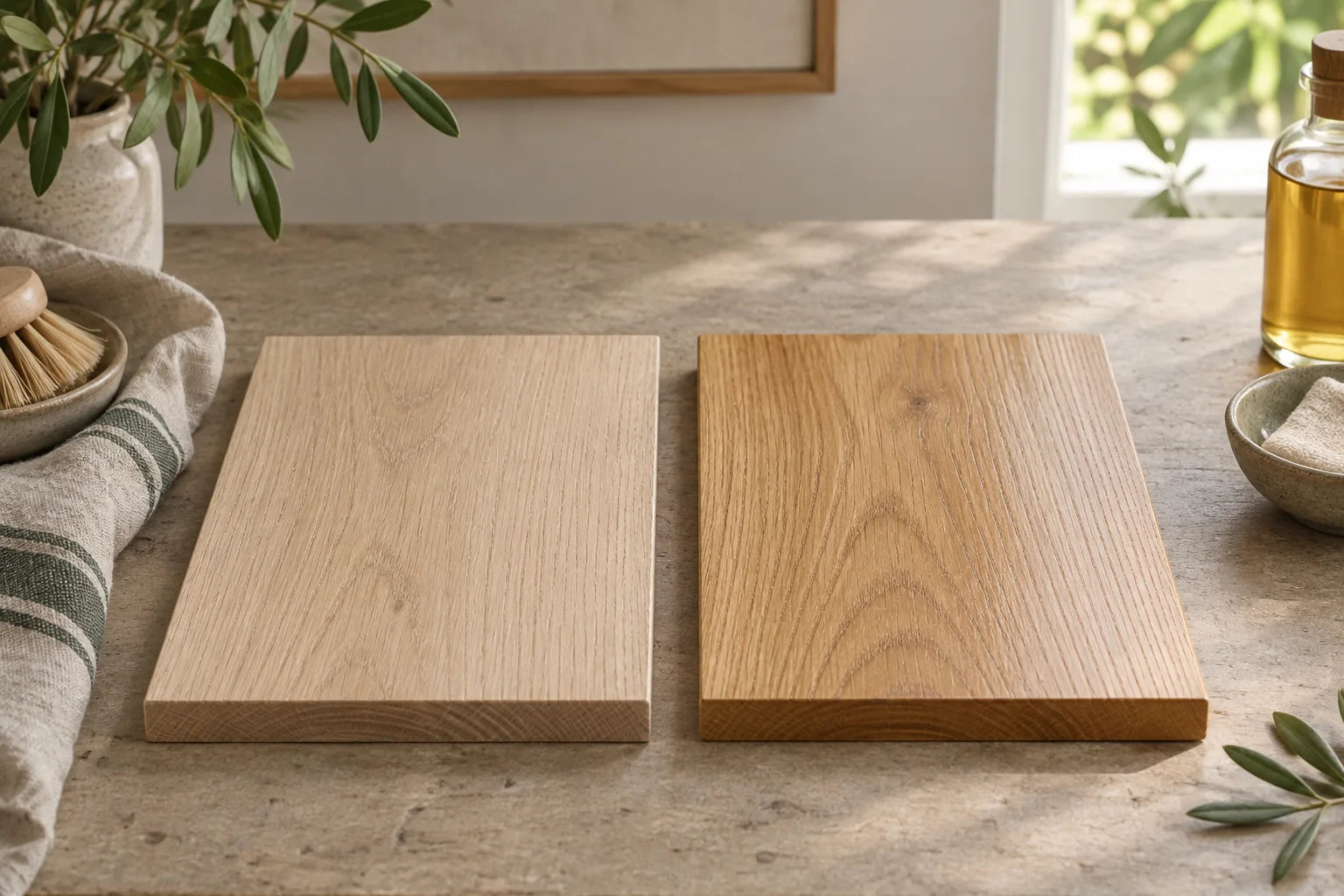
Sanding or a new treatment changes the furniture’s appearance. Tell us whether you want to preserve an existing finish, have a stain assessed or make a larger change. The wood type and surface must be identified before choosing a treatment. A method that suits one piece may not suit another.
Repair of Danish furniture classics
Model and manufacturer are useful information, but a known model designation does not replace an assessment of the individual chair. Age, previous repairs and varying usage can result in different tasks for two pieces of furniture of the same model.
If you have a damaged 7 Series chair, photos of the shell, edge and frame are relevant. For a Y-chair or Folkestol with damaged weaving, the condition of the wooden frame should also be described.
Preserve or renew?
Tell us what matters most to you. This might be stability, everyday use, preserving patina or a more consistent appearance across a set. The best scope of work depends on the purpose.
A repair may be visible. Therefore, expectations regarding colour, joints and finish should be clarified in advance. We do not promise an invisible result or a specific resale value based on a photograph.
What should a quote include?
A quote should describe the damage being addressed, work on the relevant part and any finishing treatment. New covers or weaving must be listed separately if included. Transport and any loose parts also need clarification.
Images can provide a preliminary basis, but certain aspects only reveal themselves upon a physical inspection. See price factors and collection and delivery in order to prepare the entire task.
Send photos before making changes
Do not sand, clean aggressively, or apply new glue to the damage while awaiting assessment. Keep any broken parts. Take photos in good light without removing the upholstery or weaving solely for the sake of photography.
Contact us about repairs with a photo of the whole piece, photos of the damage and a short explanation. You do not need technical terms. “The rear leg moves at the joint” is more useful than guessing a particular repair method.