Skip to content
English · IE · EUR

Search

Your cart

Møbelpartner · Furniture knowledge

Care & repair

Find the right approach to wood, veneer and furniture repair. Start with construction and surface, and preserve what makes your furniture special.

10 guides

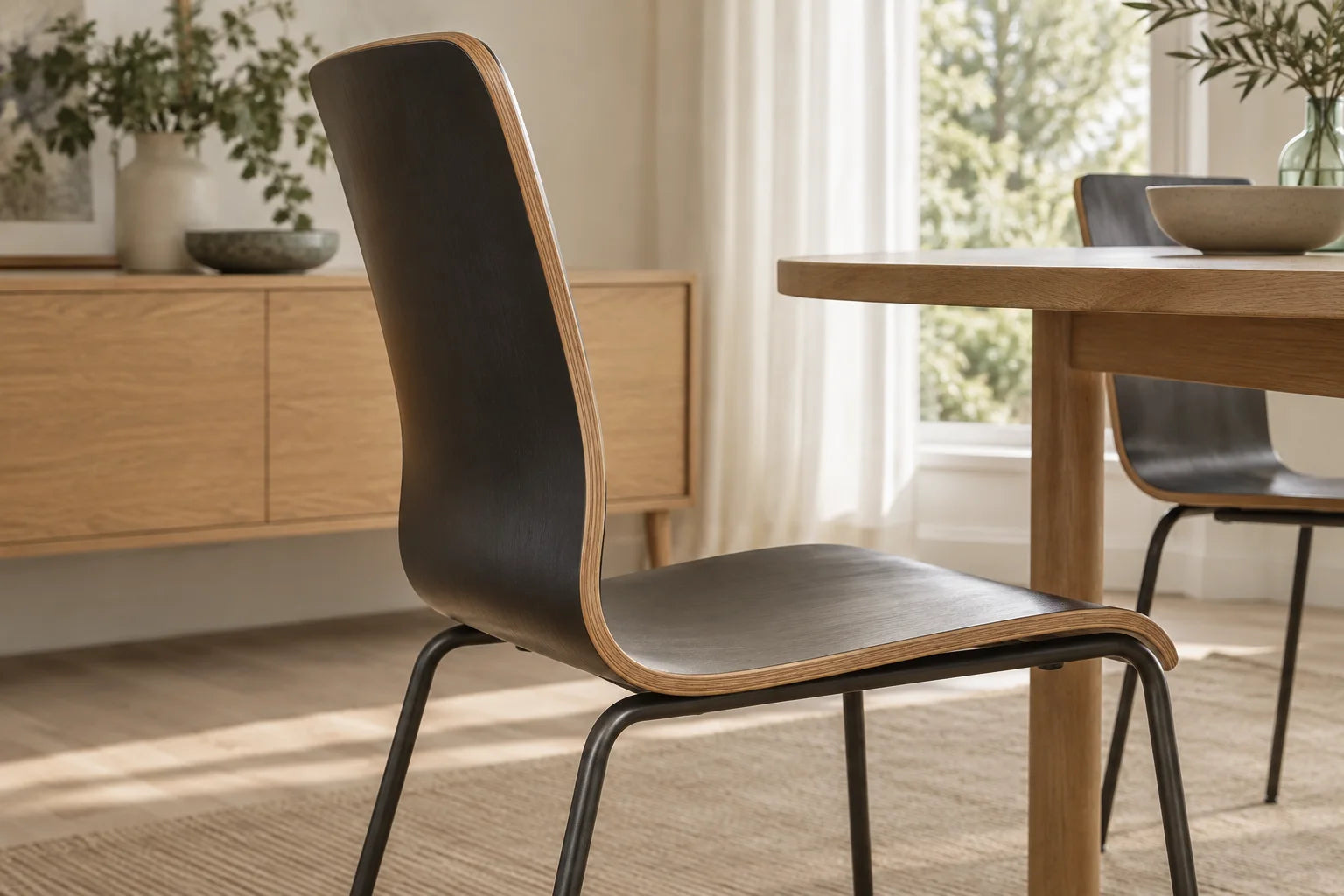
Side profile of a moulded wooden chair, showing the transition between seat and back

Care & repair

Syver chair with soft back: what needs to be examined?

A flexible back on a Syver chair can indicate different problems. See how to document the shell, fastenings and upholstery before an assessment.

Read the guide
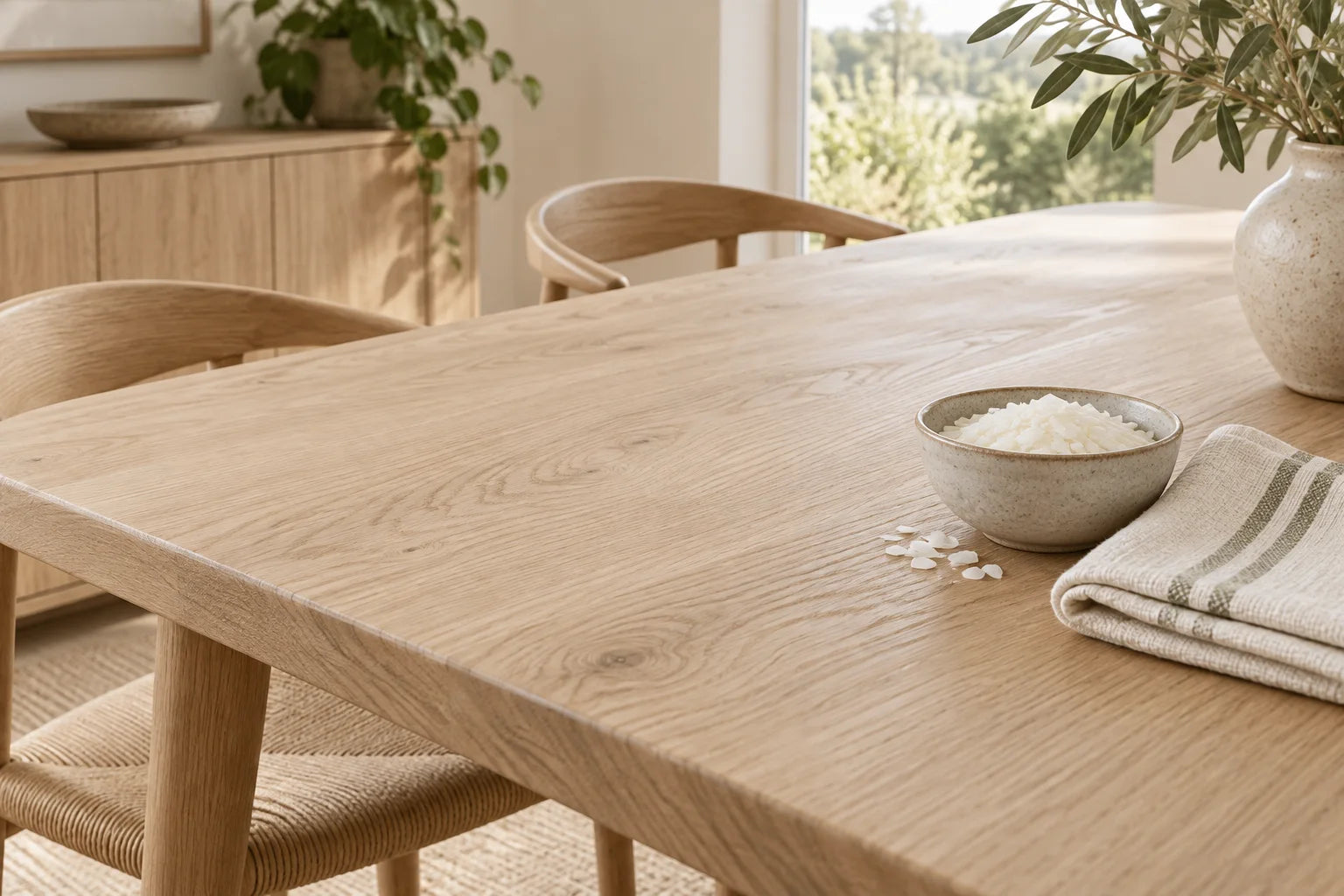
Light oak table with soap flakes in a bowl and a folded cloth

Care & repair

Soap treatment for an oak table: start with the surface

An oak table should only be soaped when the surface is suitable. Find the existing finish and follow the table's instructions before cleaning and re-treatment.

Read the guide
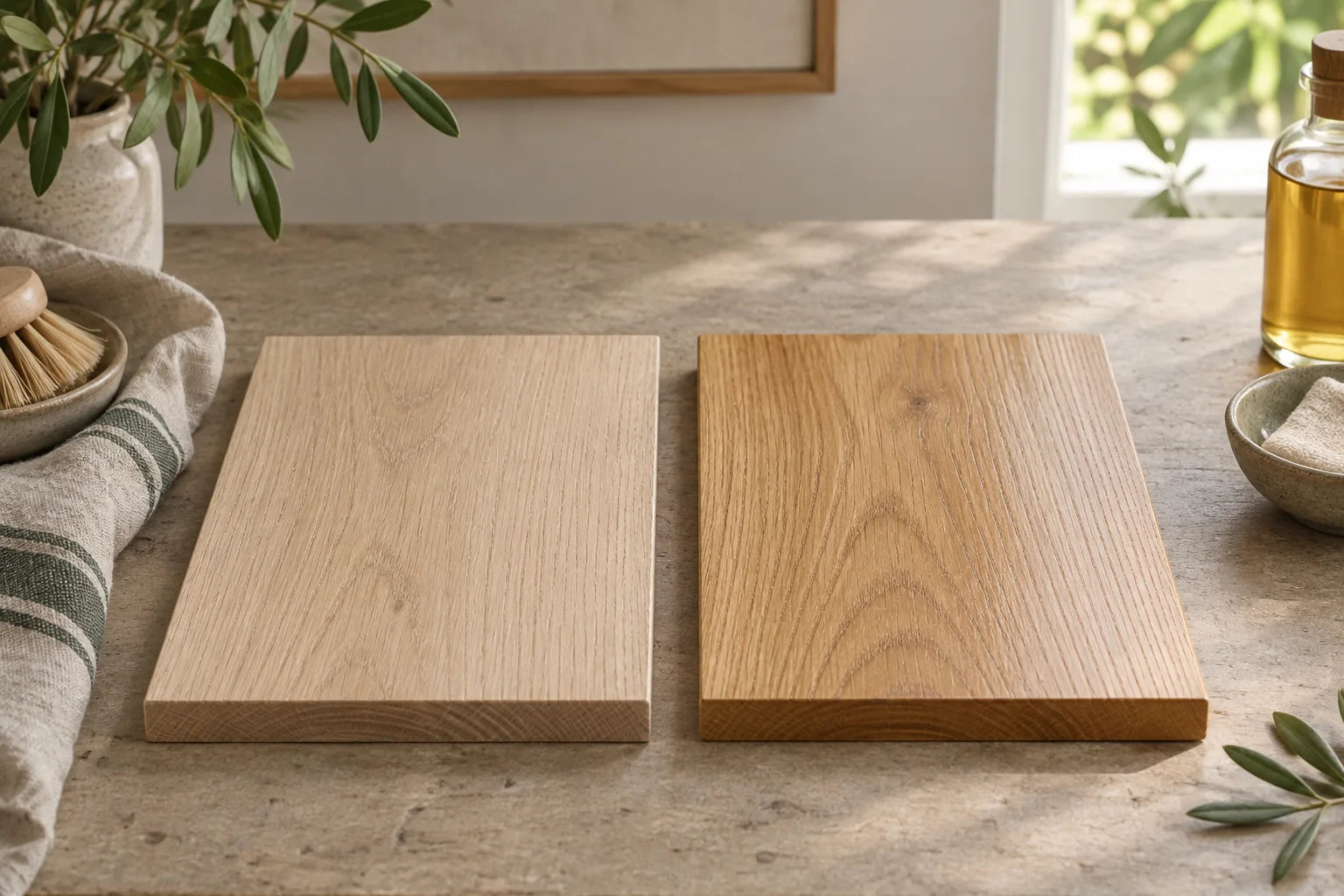
Two oak test pieces, one with light matte and one with warmer oiled finish

Care & repair

Soap or oil for wooden furniture: how to choose

Soap and oil offer different looks and maintenance routines. Choose based on the existing finish, the furniture's construction, and the result you desire.

Read the guide
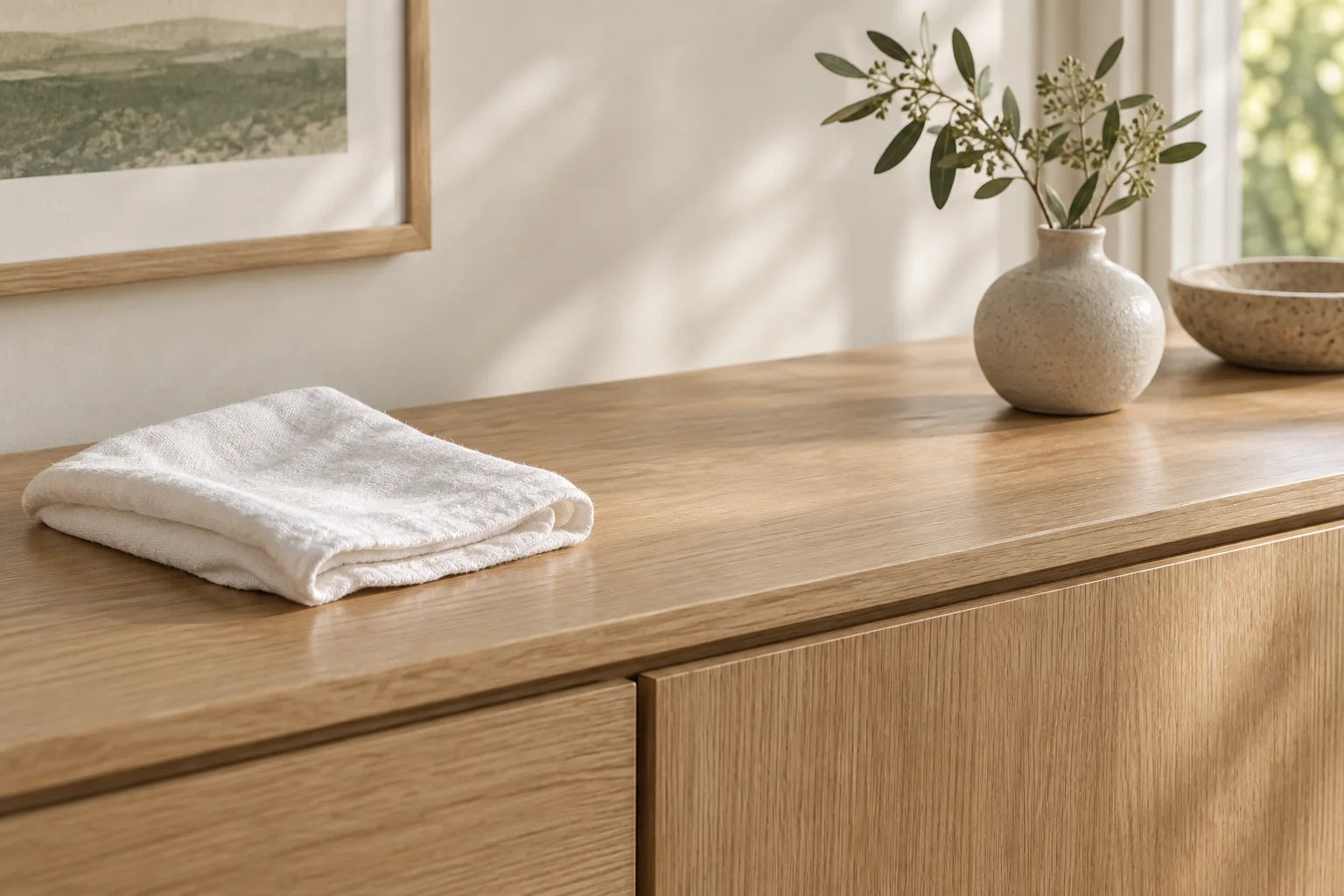
Varnished wood sideboard with a soft white cloth on the surface

Care & repair

Cleaning of lacquered wooden furniture without damaging the lacquer

Clean lacquered furniture according to the lacquer's condition and the manufacturer's instructions. Avoid abrasive agents and have surface damage assessed before wet treatment.

Read the guide
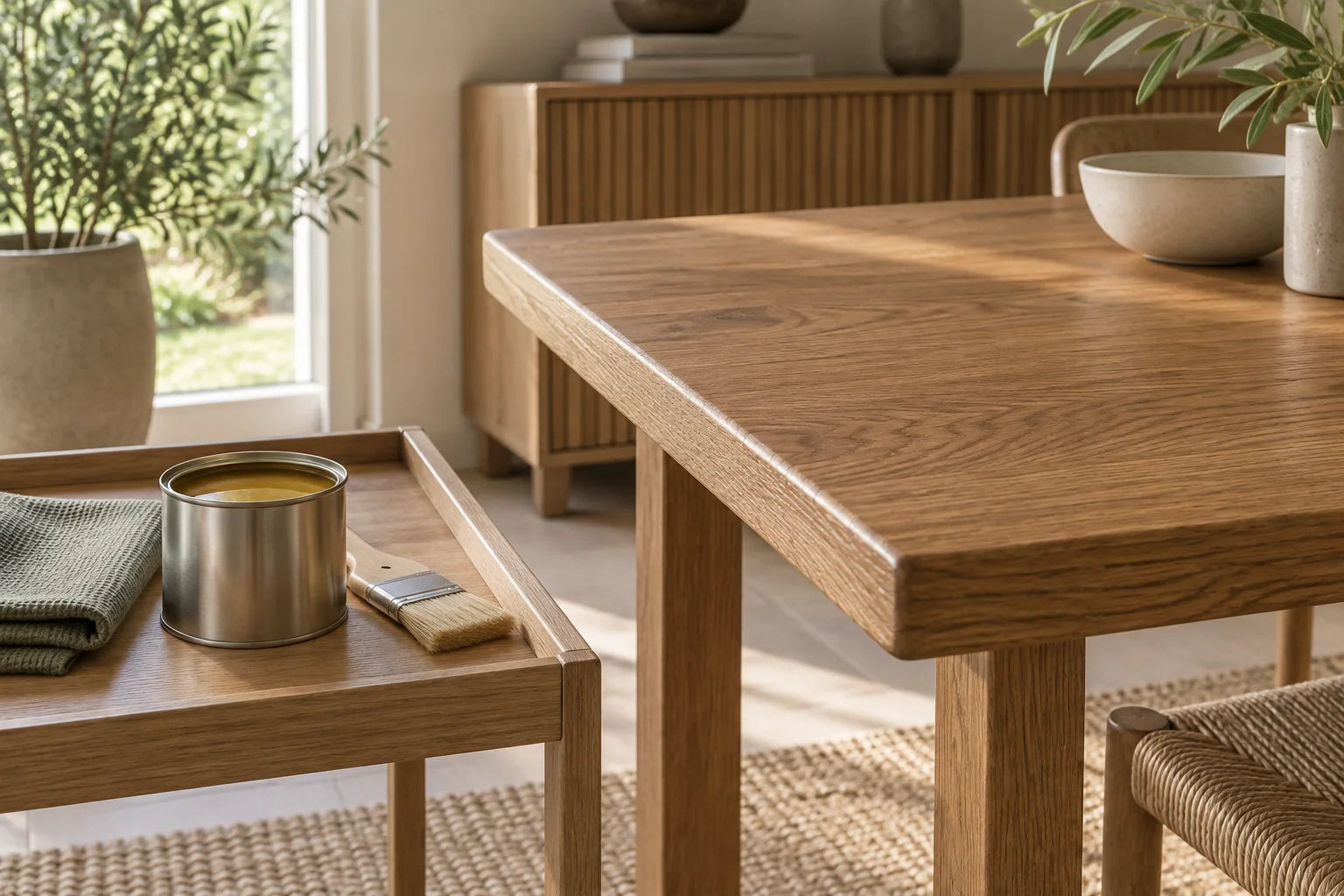
Neutral tin can with furniture oil and a brush on a tray next to an oiled table

Care & repair

Oil for indoor wooden furniture: choose based on the existing finish

Select furniture oil according to the wood's existing finish and the product's application. Clarify colour, preparation, drying time and handling of oil rags.

Read the guide
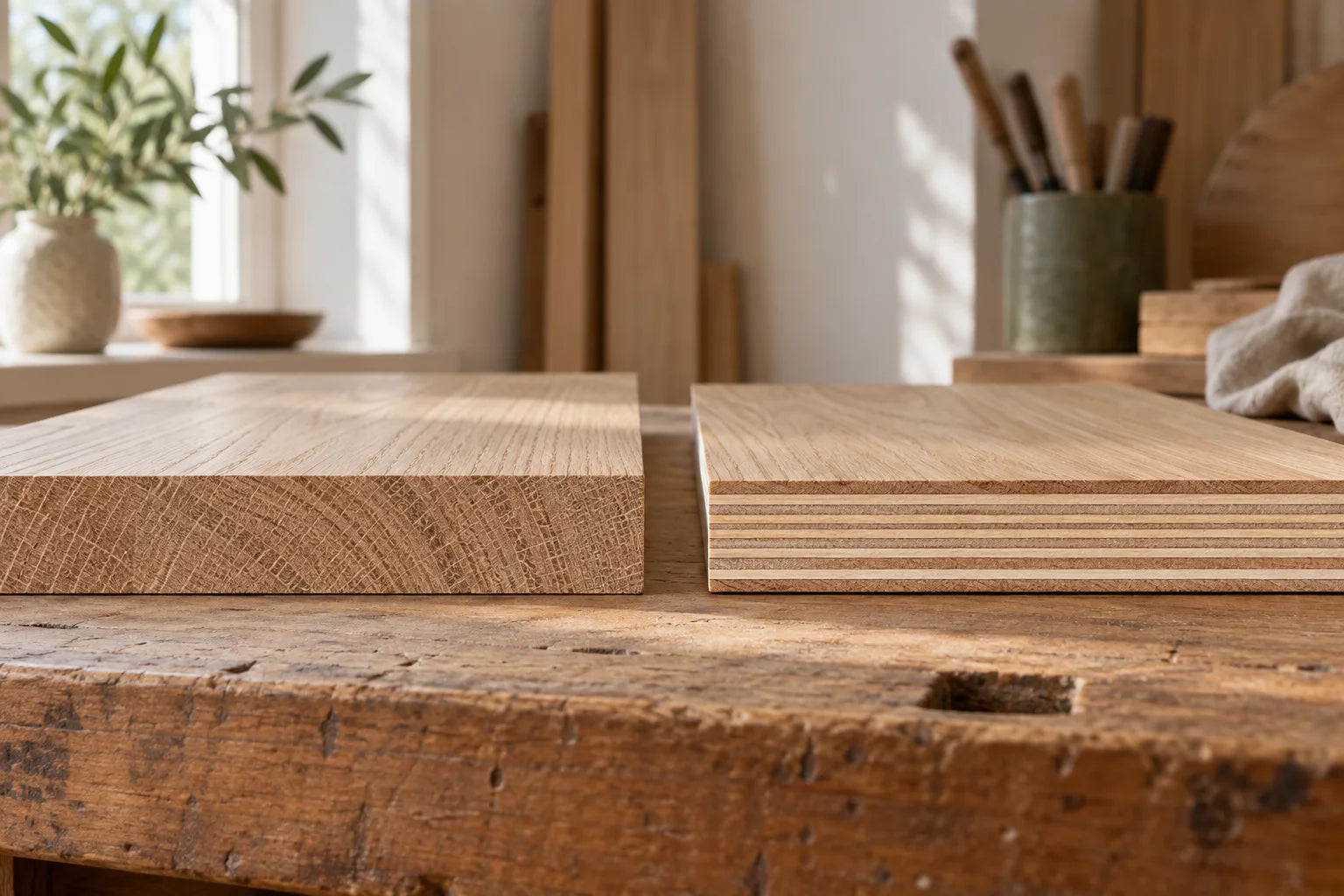
Cross-section of a solid wood panel and a veneered panel with laminated core

Care & repair

Veneer or solid wood? The difference matters for repairs

Veneer is a thin layer of wood on an underlying structure. The difference from solid wood is important when assessing edges, damage and possibilities for sanding.

Read the guide
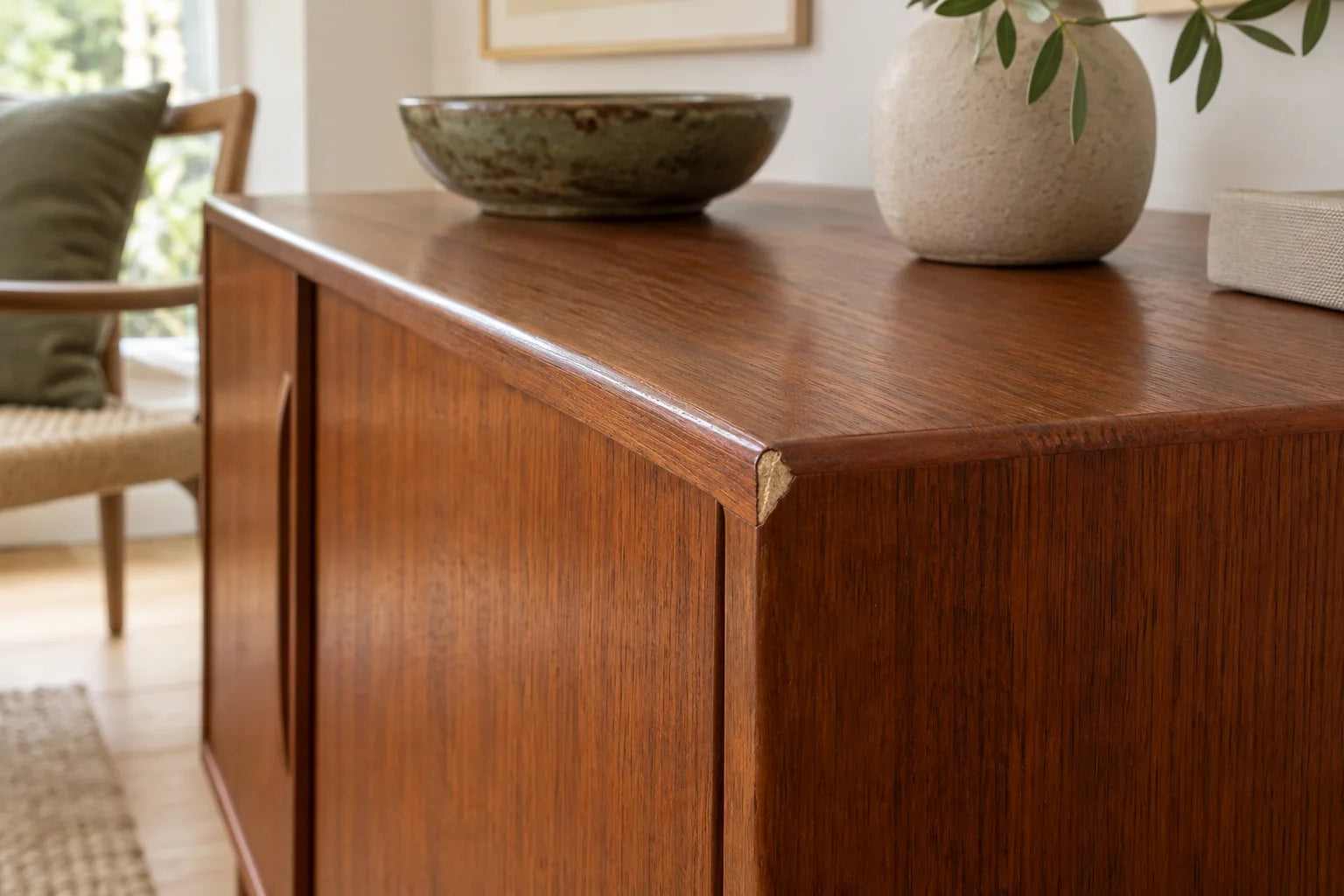
A small chip in the veneer on the corner of an older teak sideboard

Care & repair

Teak veneer damage: when should you put the sandpaper aside?

Teak veneer must be assessed before sanding. Distinguish between a surface stain, missing veneer and loose layers, and document the damage before making any changes.

Read the guide
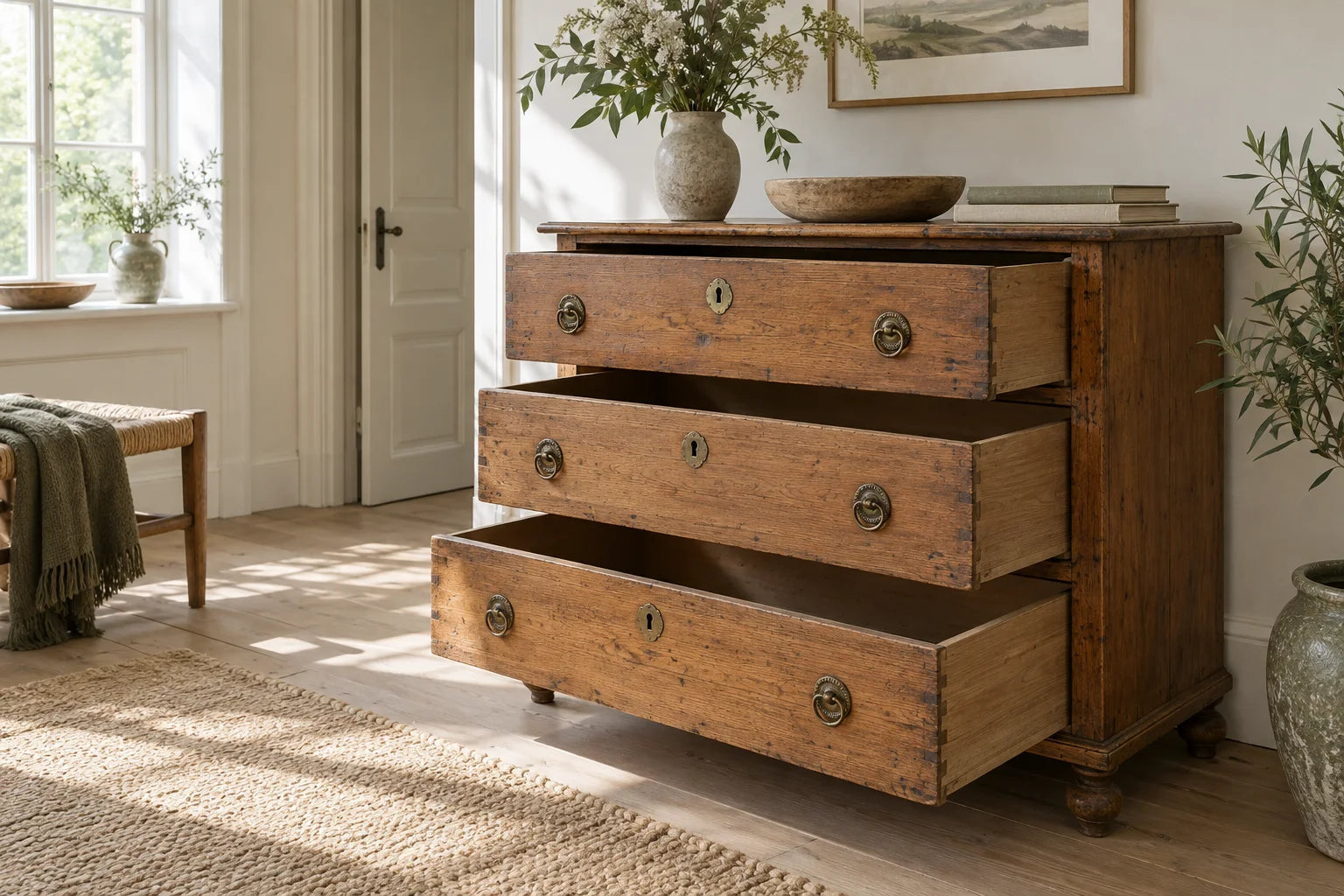
An older wooden chest of drawers with open drawers in a bright room

Care & repair

Old smell in wooden furniture: find the cause before treatment

Old odour in a wooden furniture piece must be investigated before using cleaning agents. Locate the area, check for moisture and document previous treatments.

Read the guide
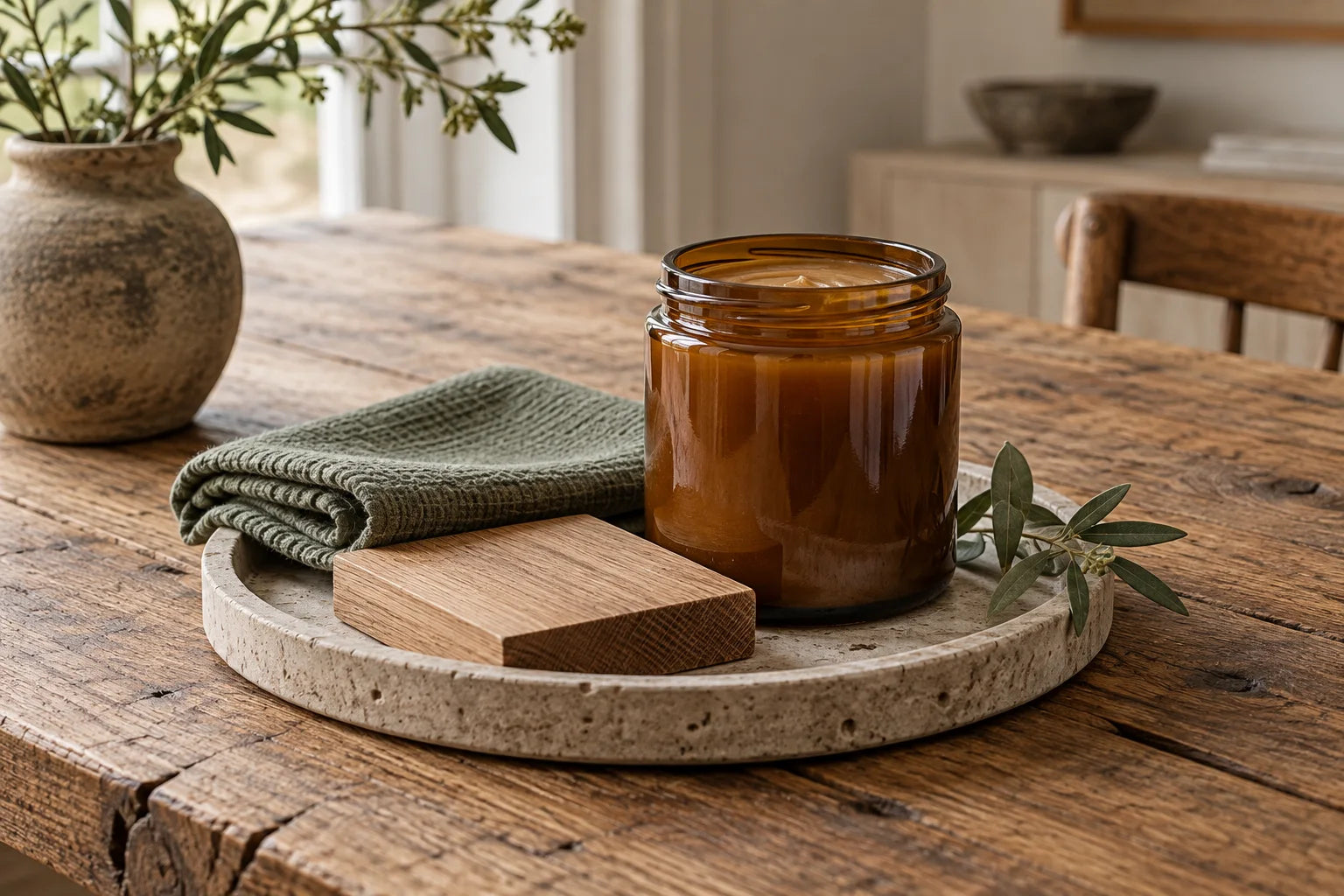
A jar of soft soap on a protective tray beside a wood sample

Care & repair

Soft soap on wooden furniture: why the surface determines the choice

Brown soap is not a universal remedy for wooden furniture. Identify varnish, oil, soap or other finish before choosing a cleaning product and method.

Read the guide
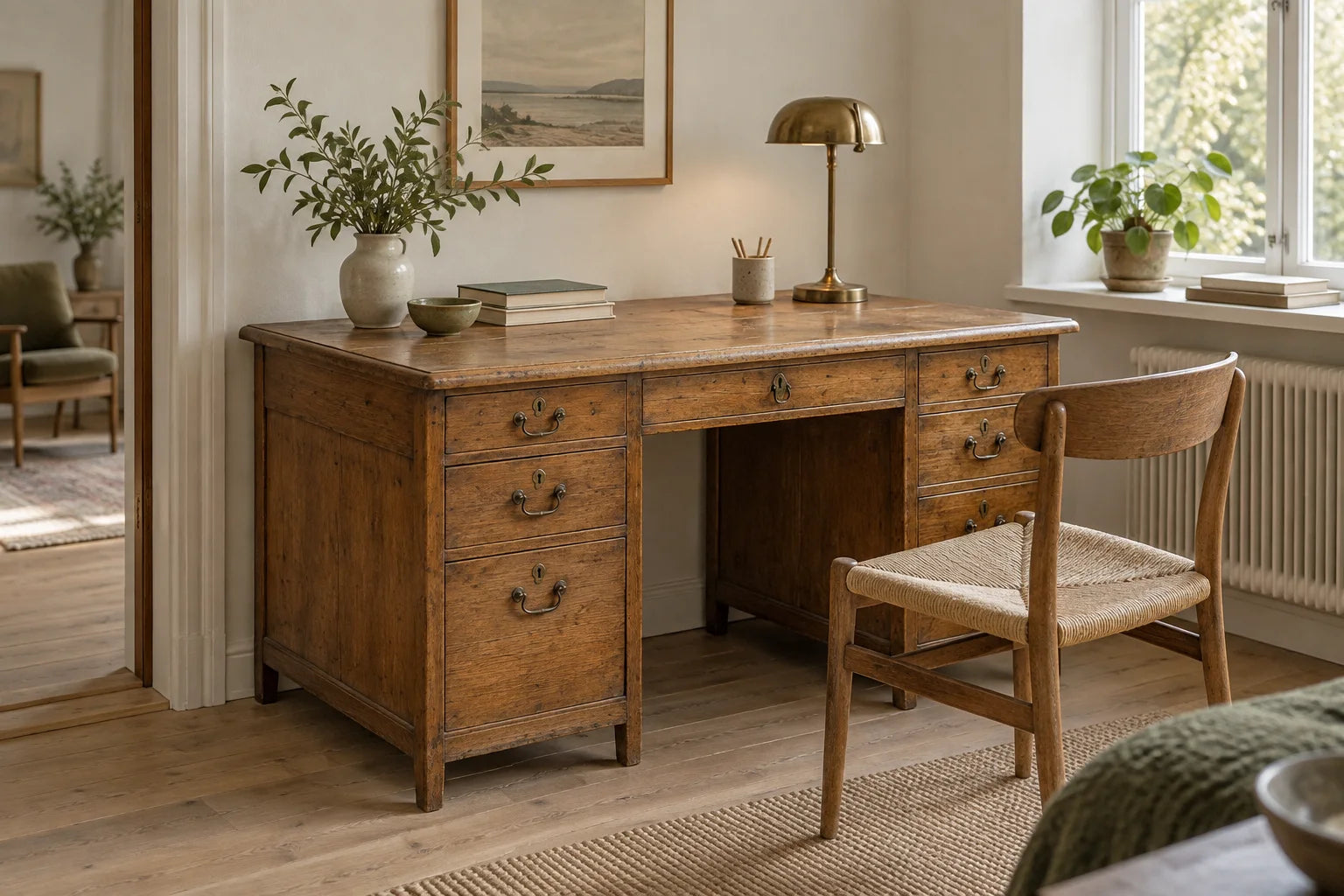
An older wooden desk with preserved patina and a simple chair

Care & repair

Restoration of wooden furniture: what will you preserve?

Restoration begins with a choice of what should be preserved. Distinguish between wear marks, damage, function and change of finish, before the work is ordered.

Read the guide