On a lacquered wooden furniture piece, it is the lacquer you clean. It must therefore be assessed as a surface in itself. Intact lacquer and a flat with cracks, peeling, or exposed wood should not be treated as the same task.
If the lacquer is damaged, there may be a need for repair instead of more intensive cleaning.
Check the condition first
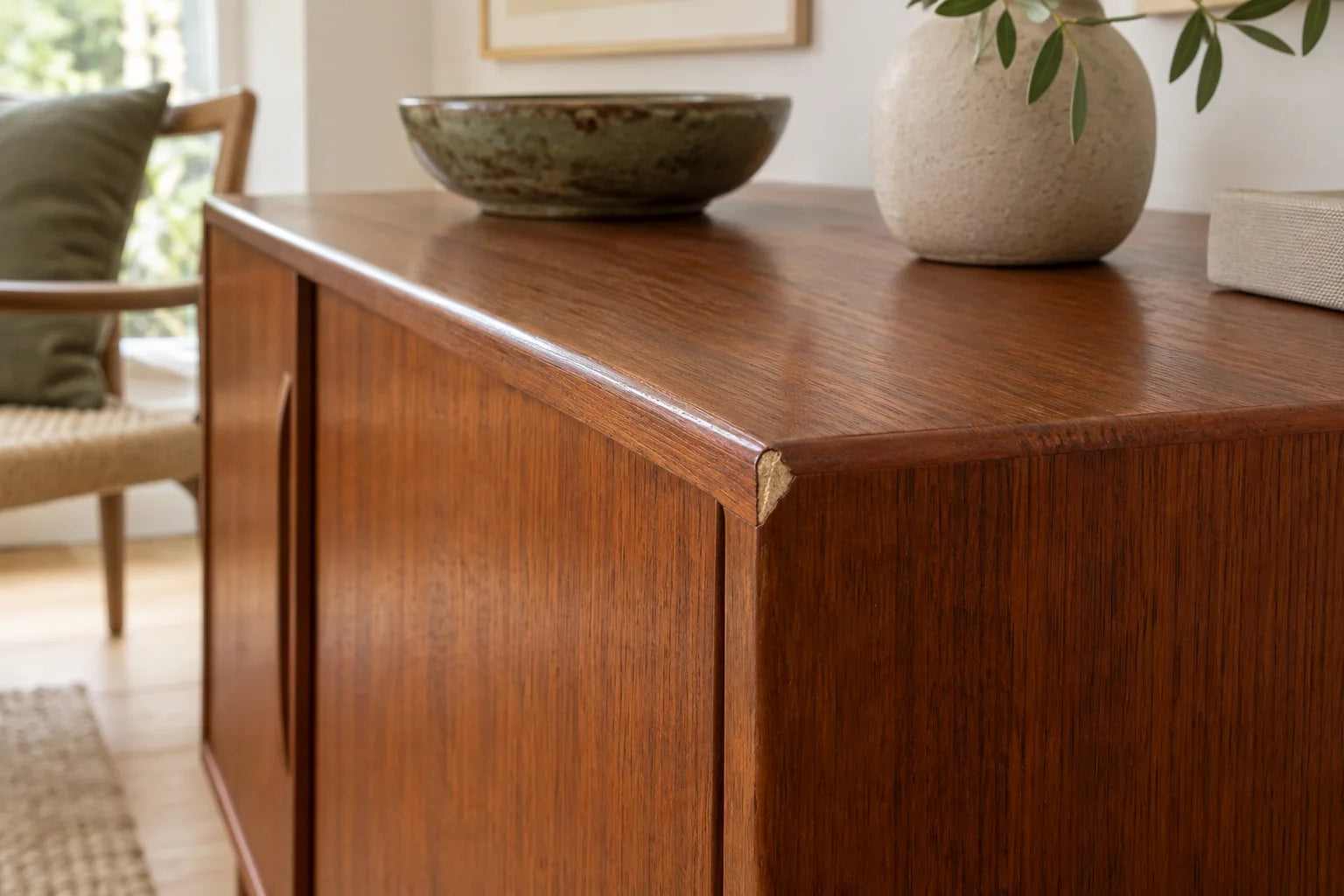
View the surface in slanted light. Are there scratches in the lacquer, loose flakes or areas where the wood is exposed? Take pictures of the whole piece of furniture and the damage. Avoid scraping to see if more lacquer loosens.
Fritz Hansen warns in its instructions against wet cleaning, where damaged lacquer can let water penetrate. This is especially relevant at edges and joints.
Start with the mildest permitted method
Find the furniture's care instructions. Gently remove loose dust, and use only the moisture and cleaning agent that the surface can withstand. Dry as instructed so that liquid does not remain.
Abrasive sponges and powders can change the sheen. A small matt area can become very noticeable on an otherwise even lacquered surface. Avoid intensifying treatment without knowing the material.
Describe the stain before choosing a product
Water, grease, ink and glue are different issues. Note what the stain consists of, if you know, and whether products have already been used on it. This helps with an assessment.
A recommendation for one lacquer type is not automatically suitable for another. The same applies to ordinary household cleaners. See the guide to soft soap, before choosing whatever is in the cleaning cupboard.
Polishing is not always a repair
If a surface has lost its gloss, the cause must be found before adding wax or polish. The product can change the appearance and affect a later treatment. Therefore, have the suitability confirmed.
A scratch through the lacquer requires different work from a wiping streak on the surface. Photograph it from several angles so the difference can be assessed.
Think about the material under the lacquer
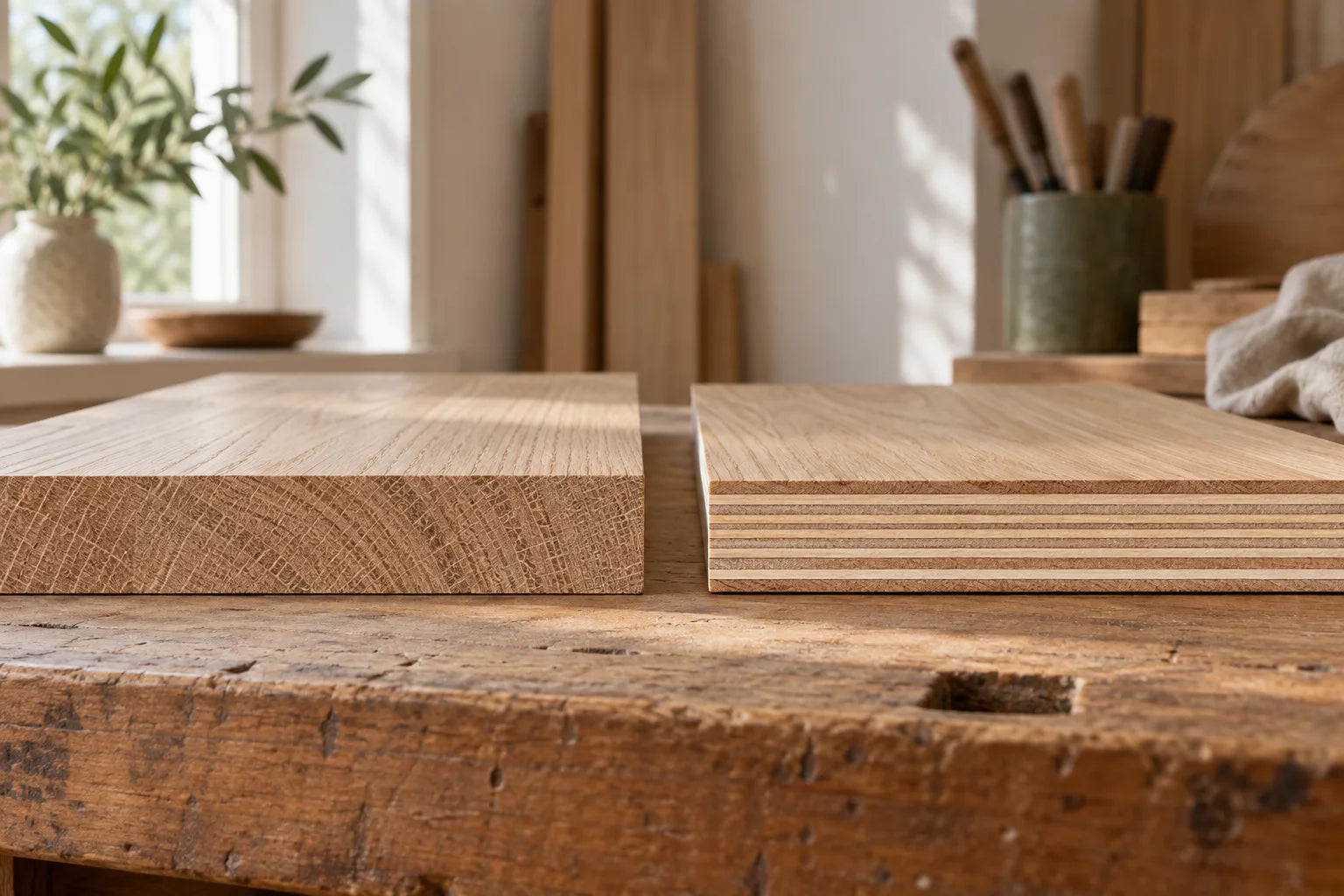
Furniture can be solid wood or veneered. Read the difference between veneer and solid wood, if you are considering more than cleaning. If the veneer is damaged, the guide to teak veneer provides an example of why sanding needs a separate assessment.
Stop if you notice unexpected colour transfer, a change in sheen or a sticky surface, and clarify the method before trying again.