Oil for indoor wooden furniture must match the existing treatment and the desired result. 'Wood oil' is not one universal recipe. Products can vary in composition, pigment, and method.
If you are unsure about the surface, get the furniture assessed, before you begin. Incorrect treatment can be more extensive to fix than the original wear.
Find out what is currently on it
Look for the product name on the invoice or maintenance instructions. Also specify any subsequent treatments. A piece of furniture that looks matte is not necessarily untreated or ready for oil.
If you want to switch from soap or lacquer, this is a separate job. The guide to soap or oil helps clarify the decision before choosing a product.
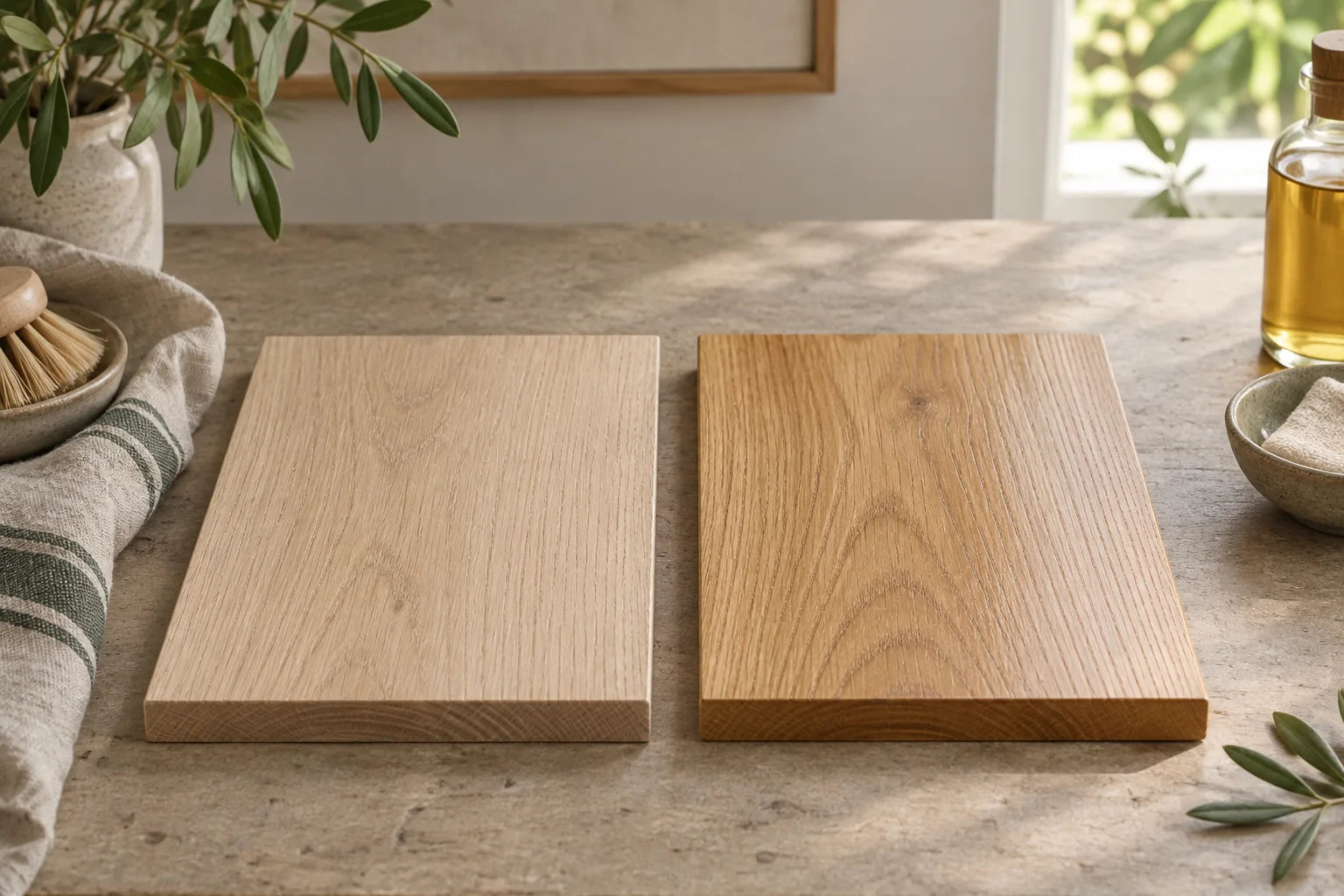
Choose a colour using a relevant sample
Natural, white-pigmented, and other variants can alter the wood's appearance. The sample should be of the same wood species and have a comparable starting point. Evaluate it according to the time specified by the manufacturer, not just while the surface is wet.
Also view the furniture alongside adjoining parts. If only one tabletop is treated, the difference from the legs and extension leaves may become noticeable.
Follow the whole process
Fritz Hansen's instructions for oiled wood describe preparation, application, removal of excess, and time before use. The specific times and quantities must however be obtained from the instructions for your furniture and the chosen product.
Plan where the furniture can stand undisturbed. Dried and fully cured are not necessarily the same condition. Do not cover the surface or use it in normal use earlier than specified.
Handle oily rags correctly
Cloths and sponges with drying oil can pose a fire hazard. Follow the product's safety instructions for storage and disposal, and do not leave them crumpled in a pile or ordinary waste bag.
This is part of the work method itself and should be clarified before the oil is opened.
Do not sand without knowing the construction
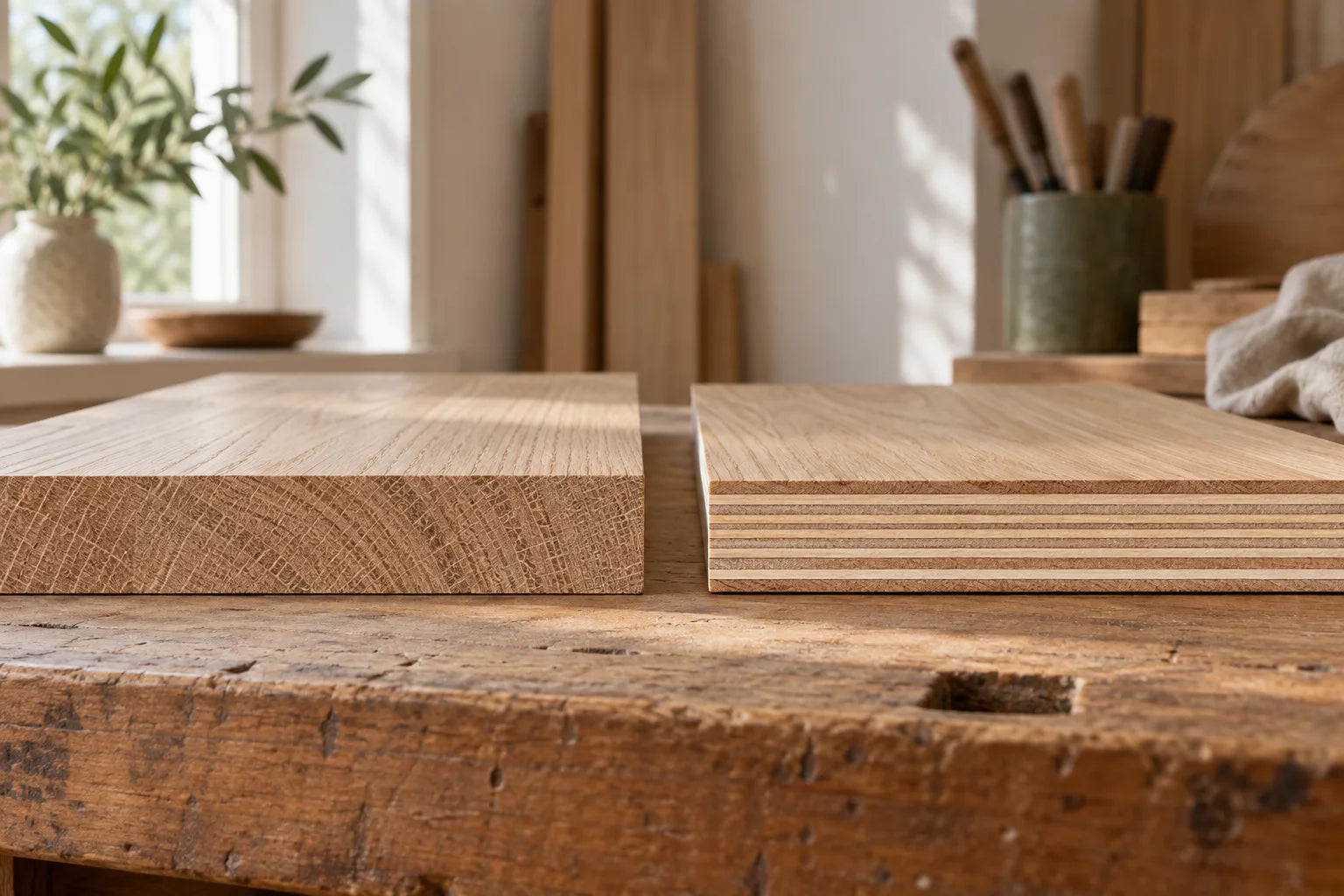
An oiled surface may be veneer. The material's thickness and previous treatments affect how much work it can withstand. See veneer or solid wood before a project with sanding.
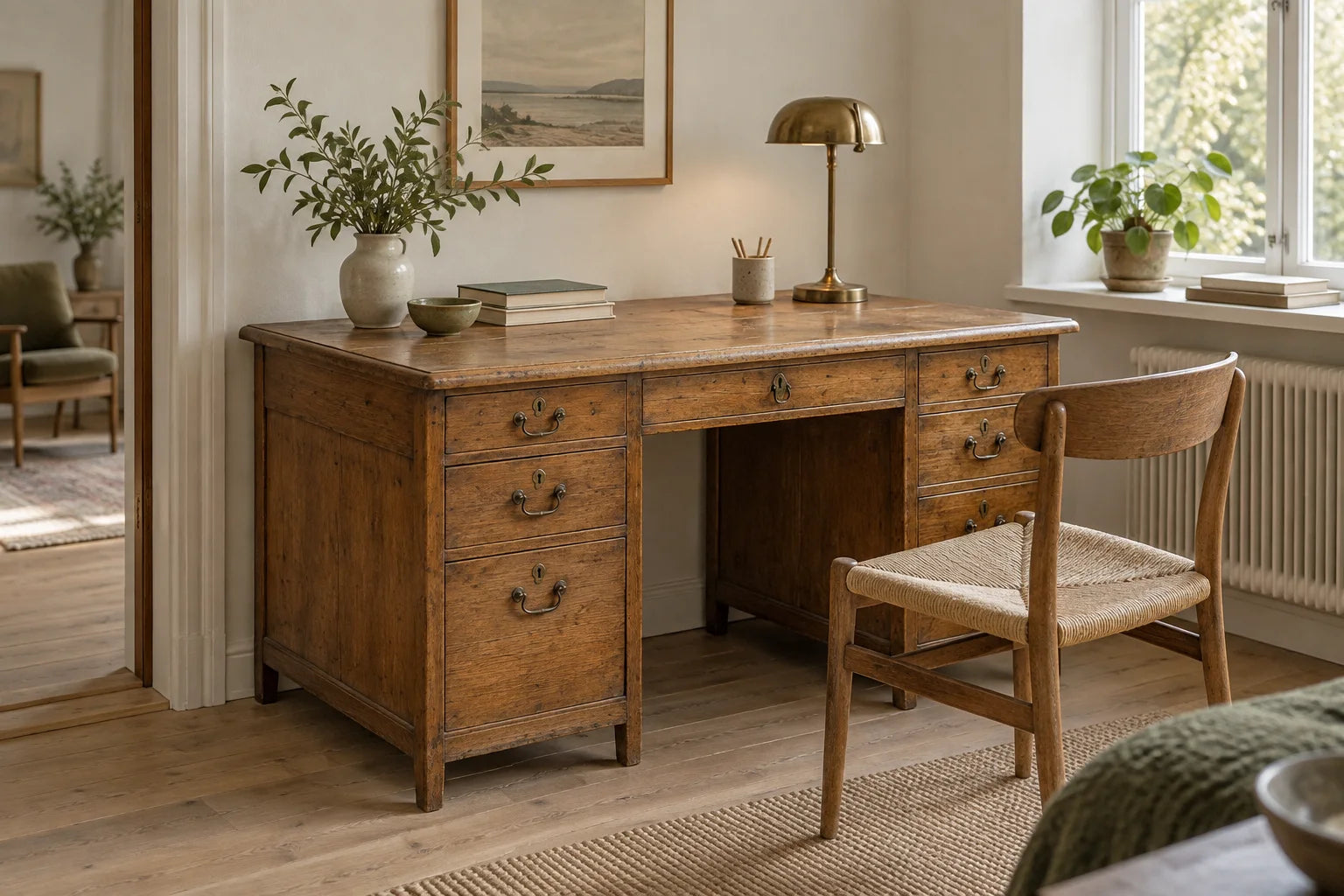
If the goal is to preserve age and patina, the restoration guide can help define the work. A new oil treatment must address a specific need and suit the furniture you intend to keep.