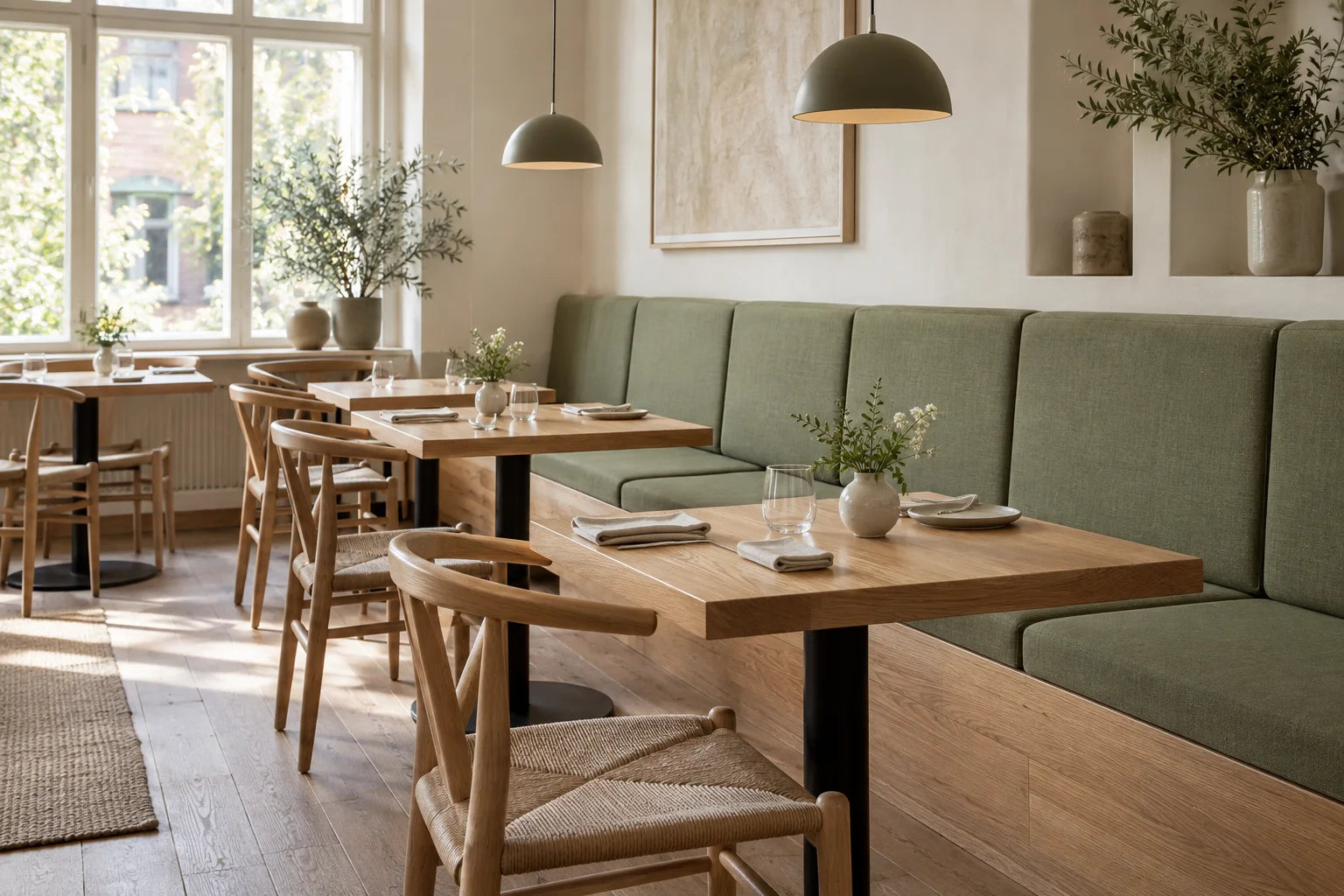
Cushions for restaurant benches must function in daily operation. Appearance and comfort are important, but cleaning, replacement and access to the bench itself should be planned simultaneously. It can be expensive in time to discover an impractical solution after installation.
For bench cushions you should therefore state that it is for commercial use and send an overview of all seating positions.
Assess the wear and load
Note the number of seats, daily use and situations the cushions will face. Is it quick meals, long dinners or a lounge? How do staff currently clean, and which products do they use?
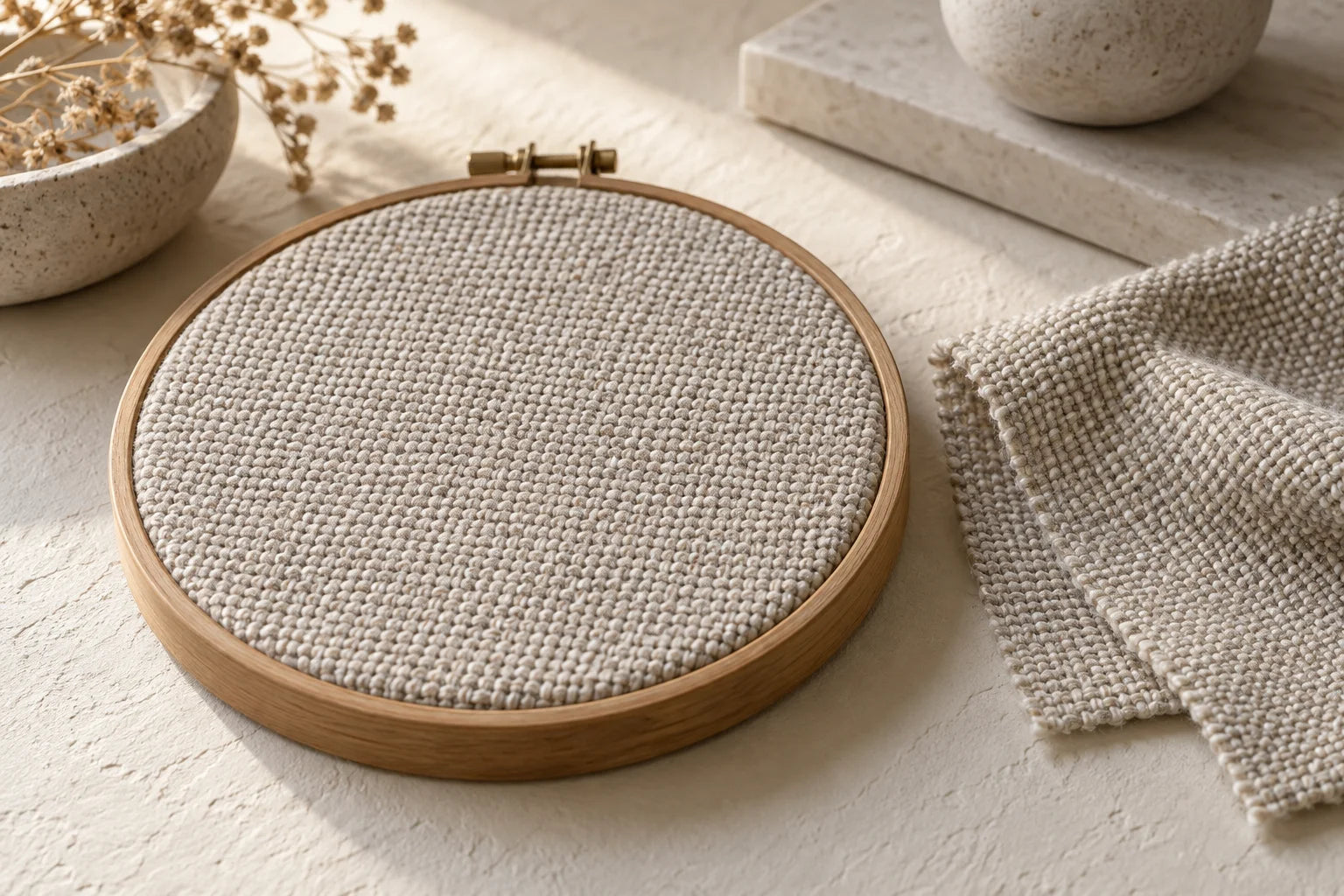
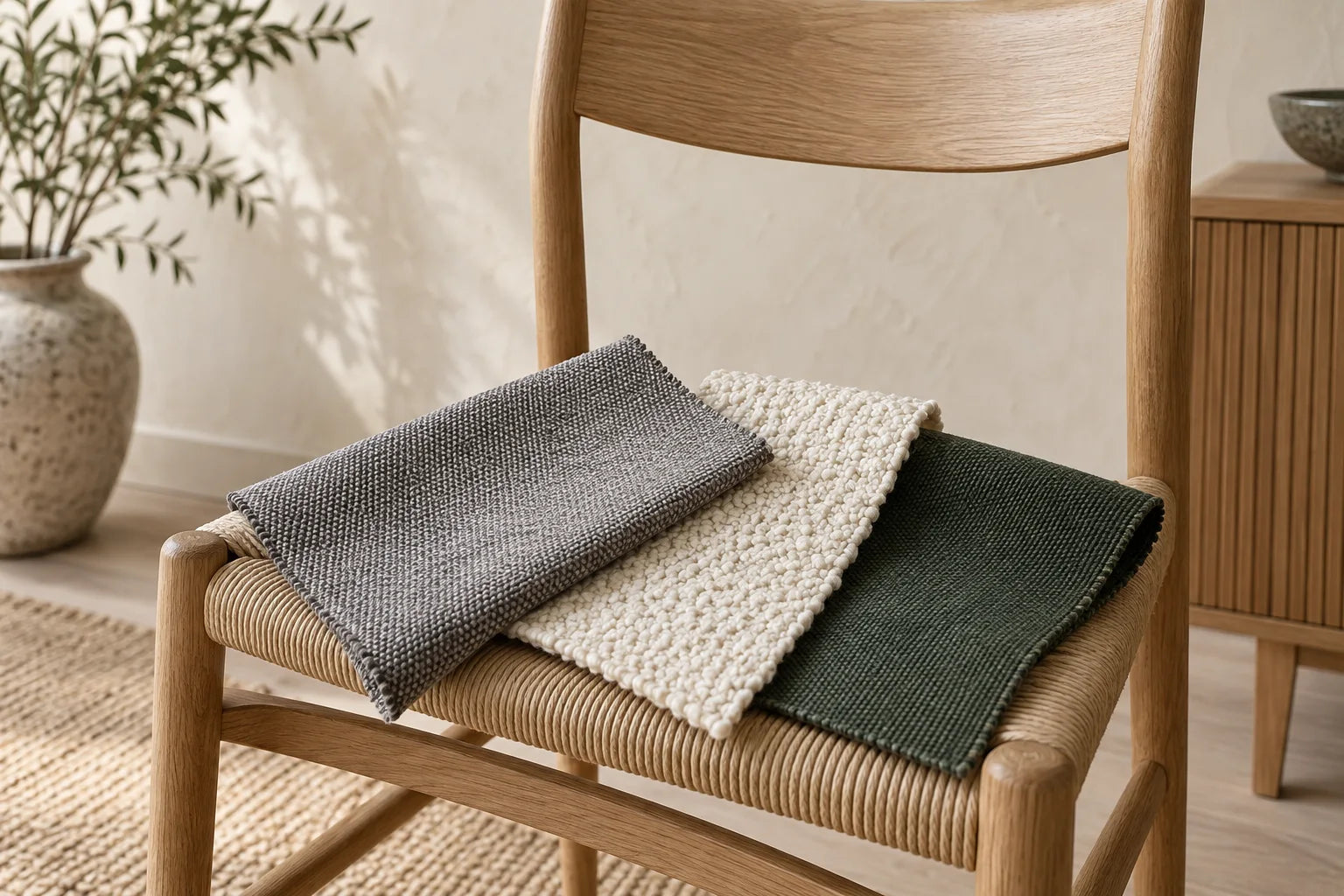
A material sample should be assessed against the actual routine. If the cleaning method does not match the fabric's instructions, either the routine or the material must be changed before ordering.
Request documentation for the specific application
Request product data for upholstery and filling. Any special requirements from the project, building, advisor, or insurance must be clarified separately. A general claim of 'commercial quality' does not document all properties.
Read the guide to durable upholstery fabric and the Martindale explanation. A high abrasion-resistance rating is only one part of the assessment and does not guarantee a particular lifespan.
Group the cushions according to how they are used
Several smaller sections can make it easier to take a damaged part out of use or access storage. One long cushion may look more unified but be heavier to handle. Choose based on both the layout and everyday handling.
Mark the sections on a drawing. Indicate whether they should be reversible, and how they are held in place. The attachment must also function when staff lift and clean around the bench.
Make a reference before a large quantity
For a larger order, it may be relevant to arrange a sample of one section. Evaluate it at the correct table: seat height, depth, support, access, and cleaning.
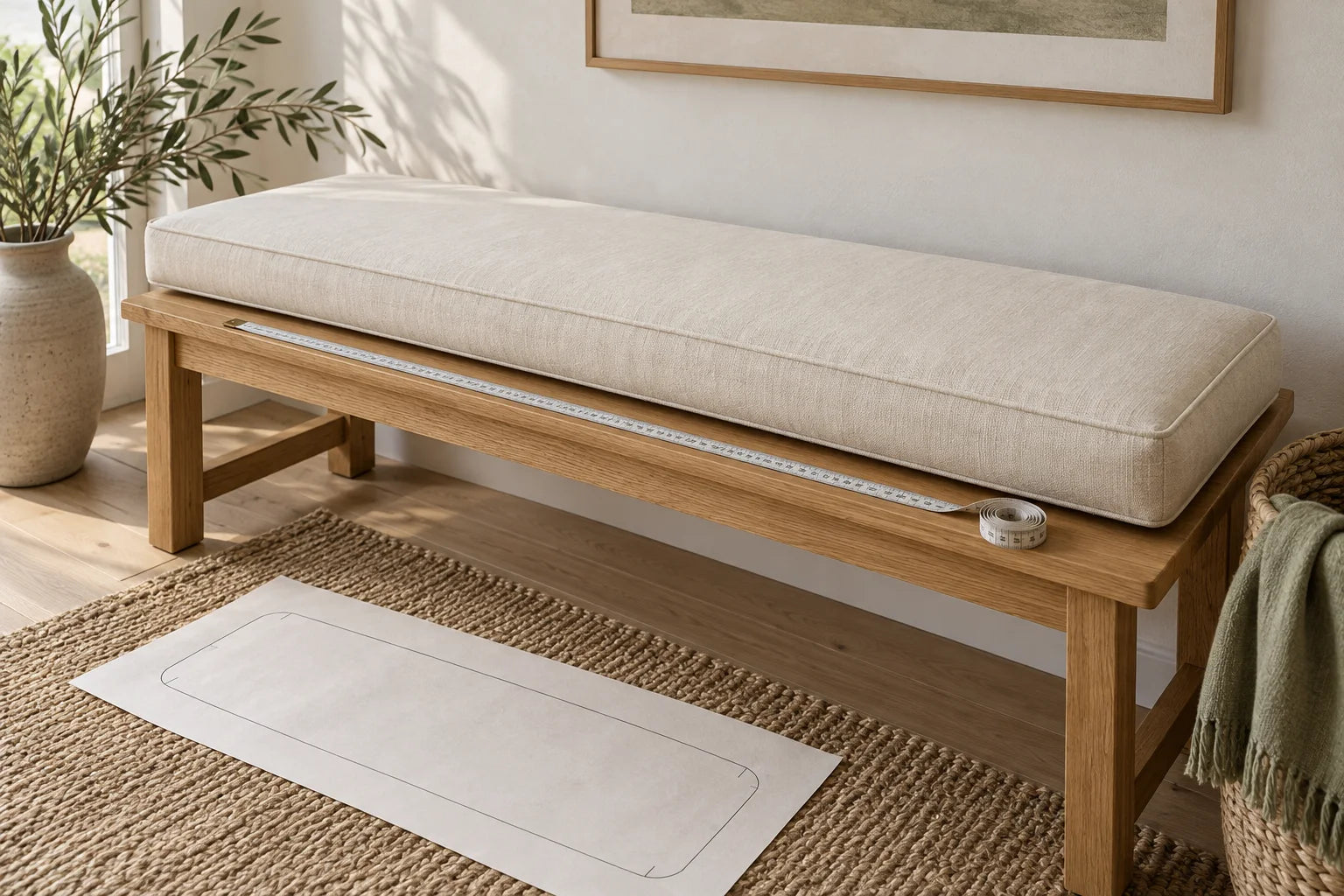
Get any changes into the final specification before the rest is produced. Use the measuring guide to document measurements and orientation.
Plan for later replacement
Save material and colour codes, dimensions, sectioning and photos. Consider whether extra upholstery or a spare section should be included in the agreement. Availability and colour matching later should be clarified rather than assumed.
A good order describes not only what is delivered on the first day. It also makes it possible to maintain and renew individual parts when the restaurant's operations require it.