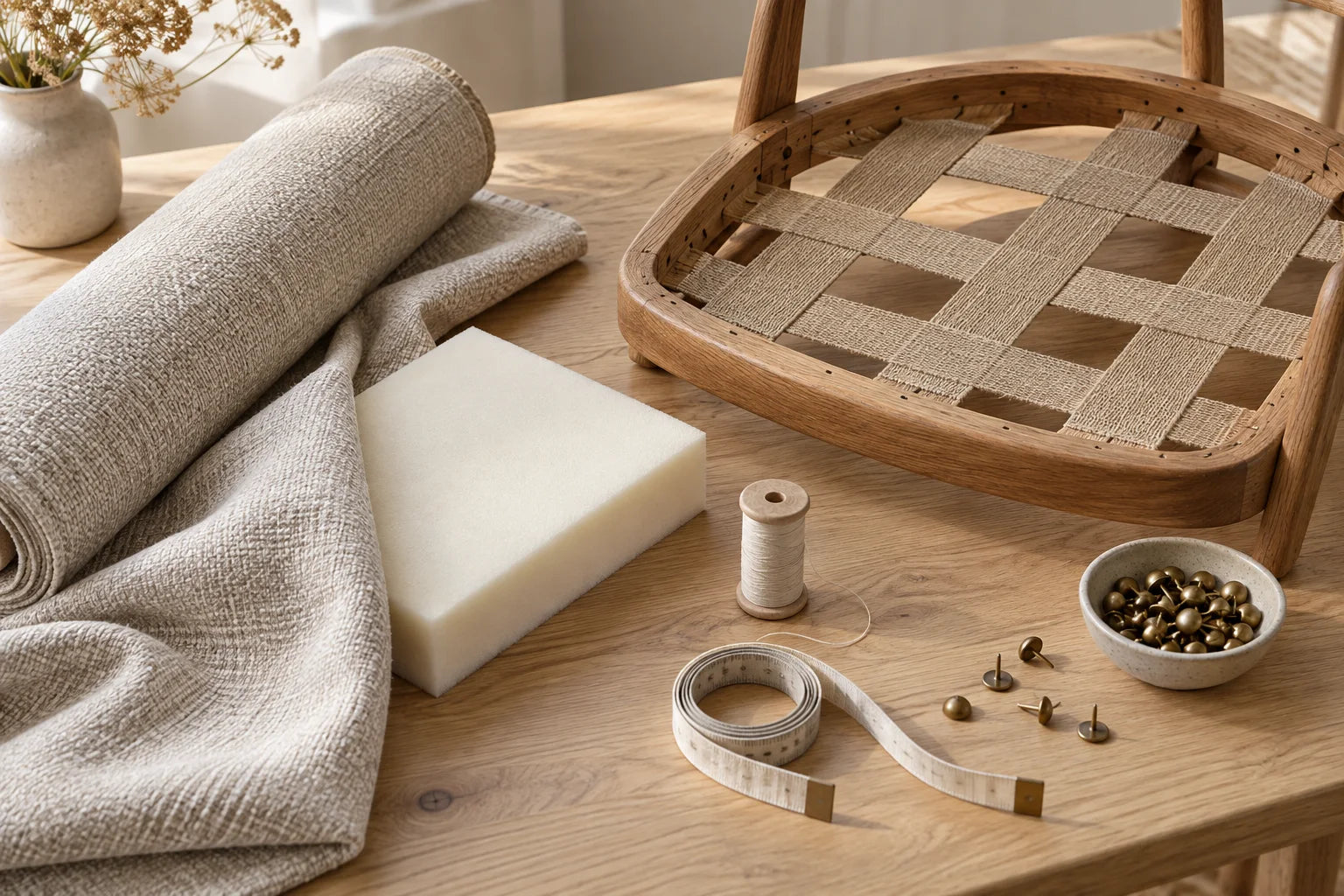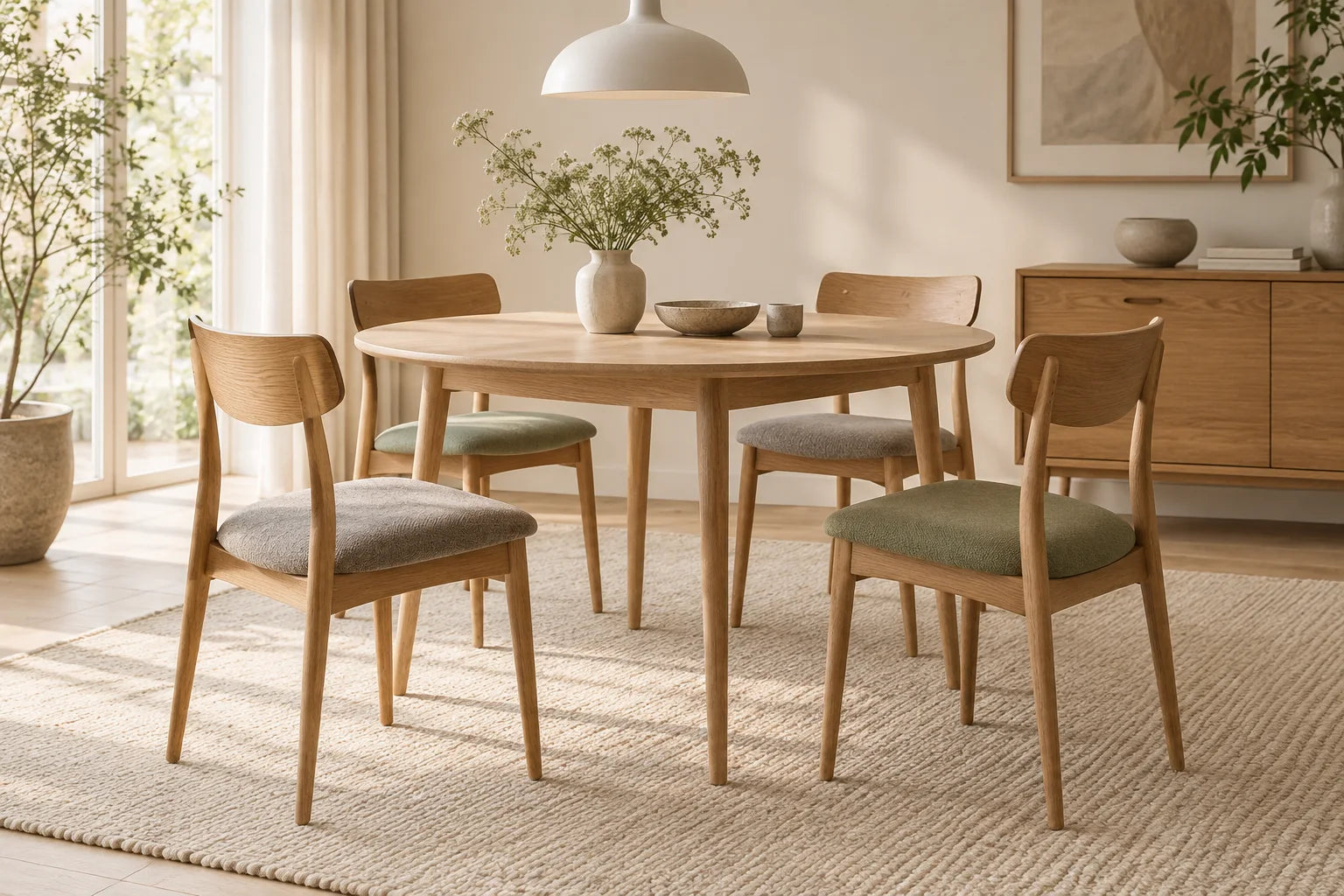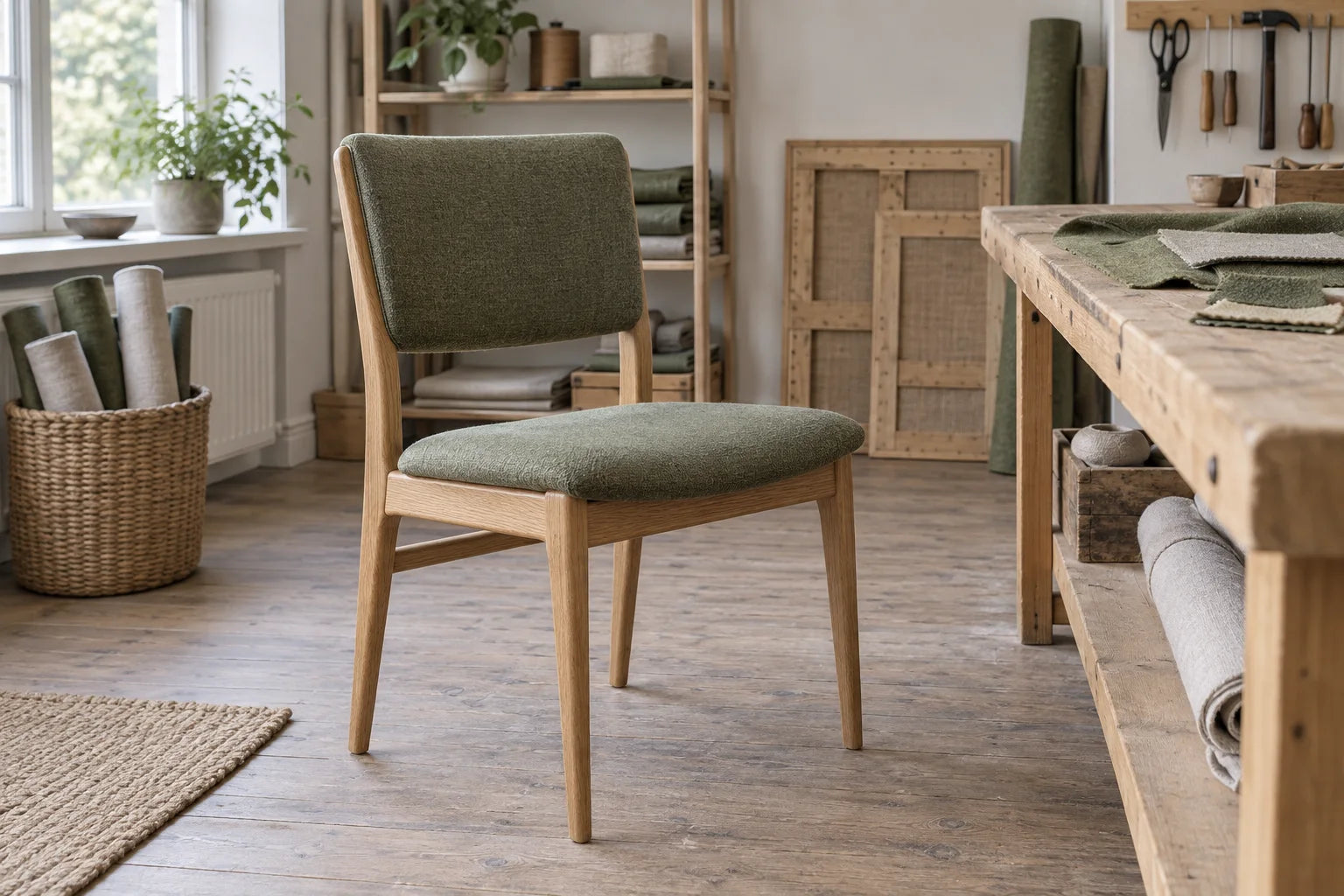
A chair with a padded back may require two different interventions: a new cover because the surface is worn, and a new construction because the back no longer supports. The two things should be assessed separately. New fabric does not necessarily hide irregularities or loose parts underneath.
For chair reupholstery it is therefore useful to describe both the appearance and what you feel when using the chair.
Examine the backrest from both sides
Look at the front, back and edge. Is the fabric merely faded, or are there tears at the seams? Can you feel a hard edge through the upholstery? Also note whether the back feels loose compared to the rest of the chair. Movement in the frame is a different task than replacing the fabric.
Take photos directly from the front and rear, plus a close-up where the back meets the seat. A decorative back may have seams, buttons or a wooden edge that affect the scope of work. A chair that looks simple from the front may be much more complex behind.
Should the seat and back be replaced together?
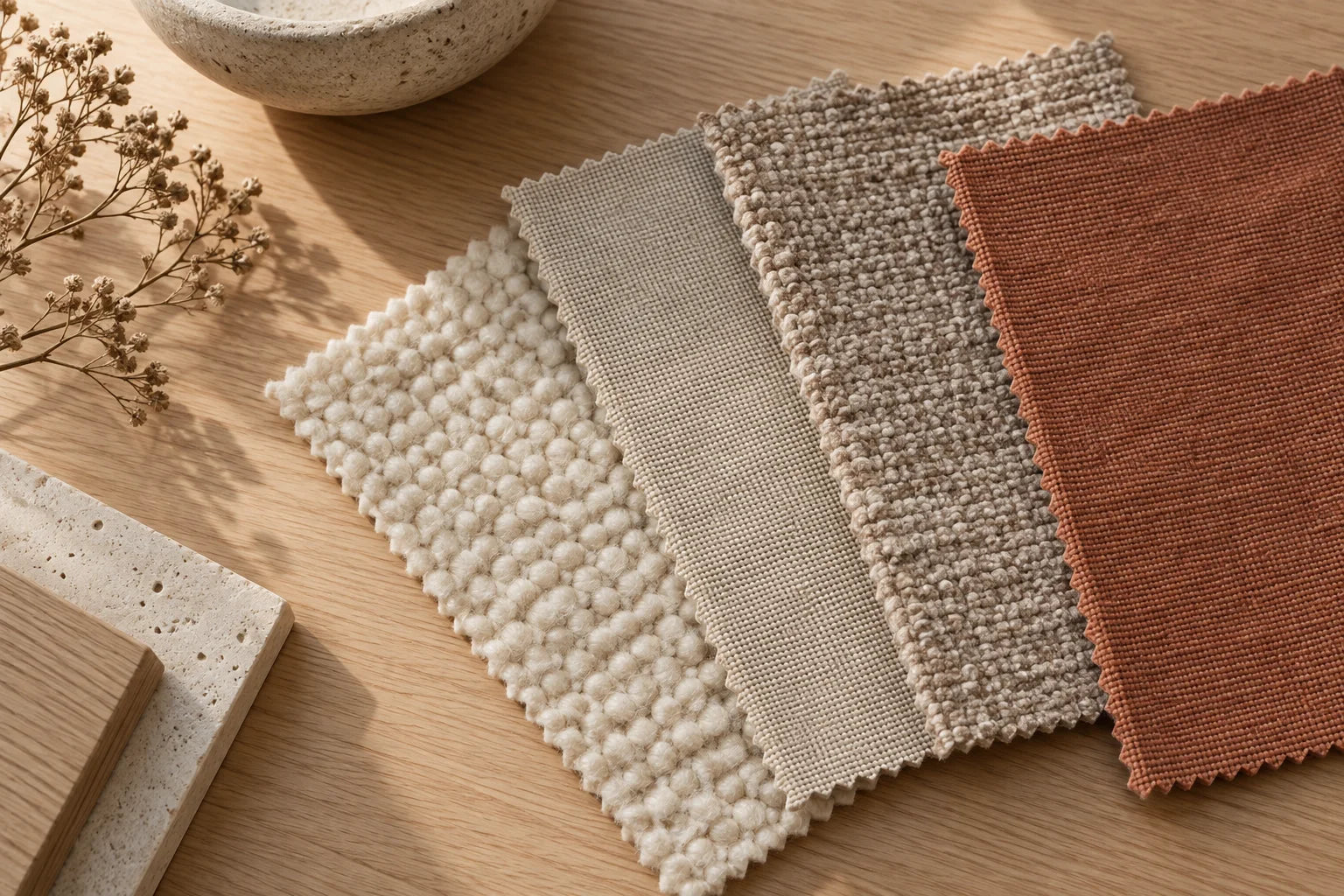
If the seat works well, it is worth examining whether the back can be treated separately. The decision also depends on colour matching. New fabric can look different from an old cover even when the name and colour number are identical. Light and use alter the appearance of the existing material.
Place a fabric sample beside the chair in daylight and view both from the usual distance. Assess the seat and back. A deliberate combination of materials may work better than a near-match. The guide to fabric for chairs helps with those choices.
Preserve the proportions
More filling does not automatically mean more comfort. Bringing the back further forward changes usable seat depth. Thicker seat padding changes sitting height and distance to the table. State whether you want to preserve or change the chair's original feel.
Ask to clarify which layers are preserved and which are replaced. On an older chair, it is also worth documenting edges and seams before the upholstery is removed. Photos can be used to agree on the final character.
Have the task clearly written into the quote
A useful quote should distinguish between covers, the underlying padding and any work on the frame. Ask specifically whether the rear of the backrest, decorative edging and buttons are included. See also the guide to reading a reupholstery quote.
If you have several identical chairs, send a combined image and mark those that have special damage. They may look alike and still require different work. A description such as 'six chairs, two with loose back and four with worn fabric' gives a better starting point than just the number.